Shoulder movement trainers
Support controlled shoulder rotation or range-of-motion activities with adjustable positioning.

Rehabilitation equipment category
Upper limb rehabilitation equipment can support structured shoulder, arm, hand, and coordination activities. Buyers can request model comparisons, dimensions, accessory lists, packing information, and document status before choosing equipment for a therapy room.
Available models
Send the model numbers, quantity, and destination country to request a tailored quotation.
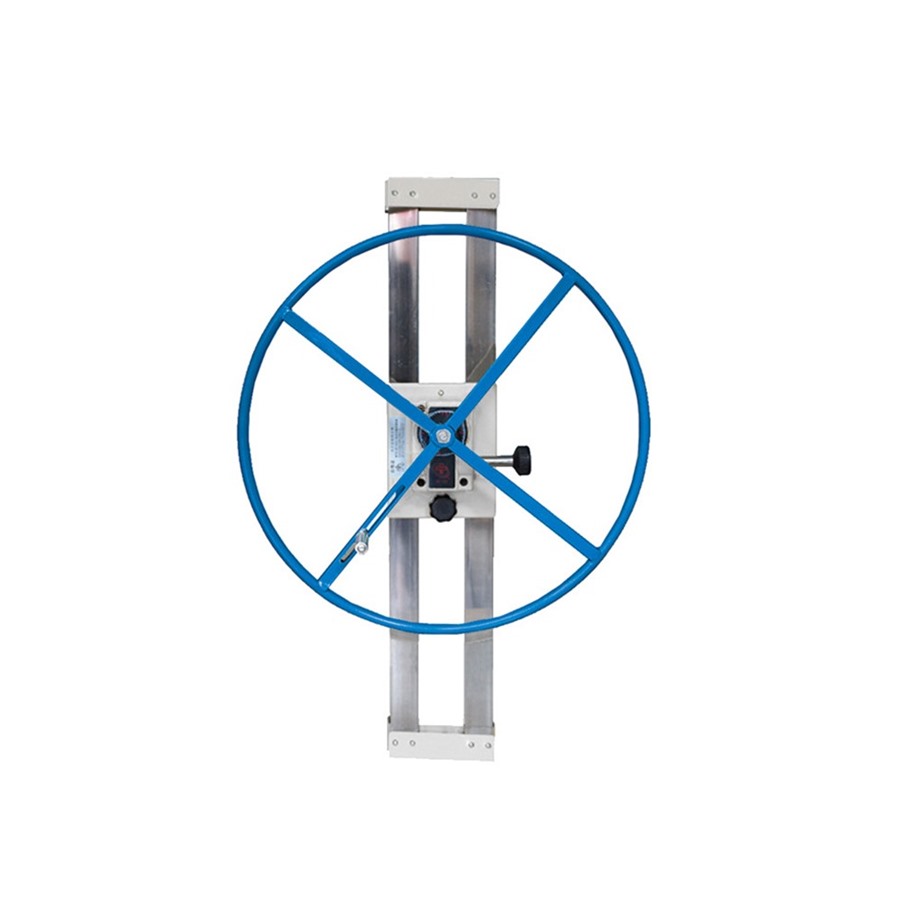
Upper Limb Training | KF-JXQ-2
Size: Confirm. Final specifications, accessories, packing, and document status should be confirmed before order.
Request product details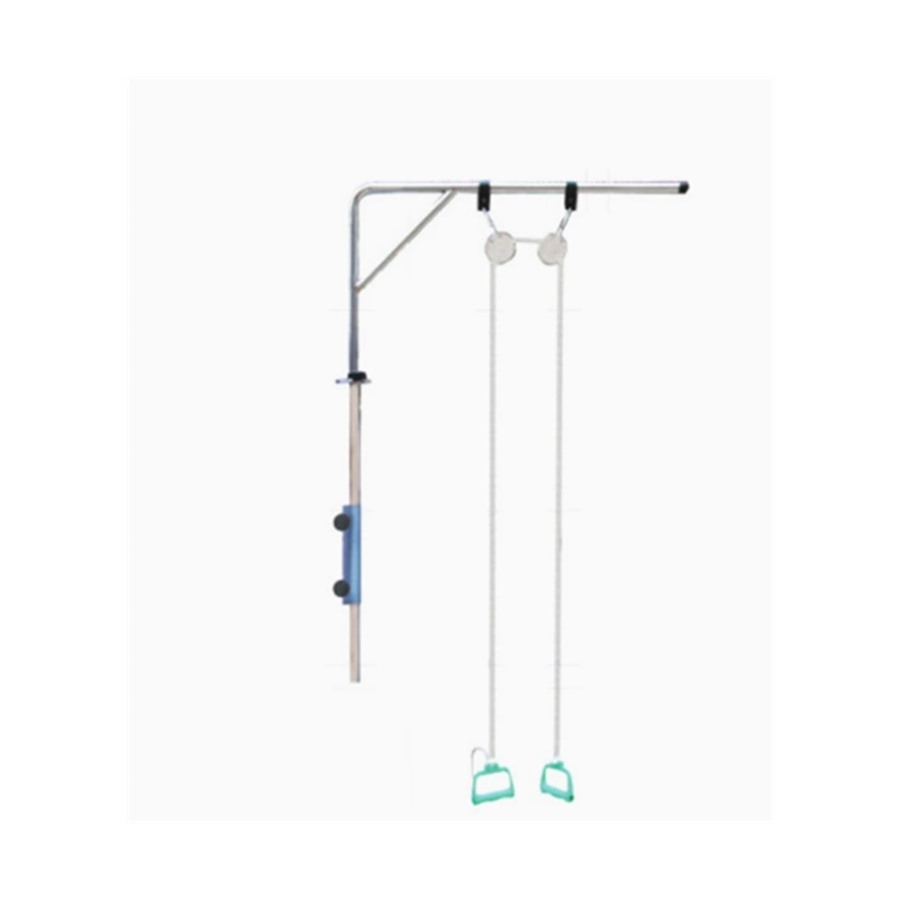
Upper Limb Training | KF-HLD-1
Size: Confirm. Final specifications, accessories, packing, and document status should be confirmed before order.
Request product detailsBuyer questions
Use these answers to prepare a model comparison. Final suitability and documentation must be confirmed for the selected equipment and destination market.
Common categories include shoulder trainers, pulley systems, upper-limb training tables, pegboards, and hand-coordination tools.
Often yes. Movement-focused devices and task-based tools can complement each other, but the final package should reflect the clinic's disciplines and workflows.
Allow the equipment footprint plus clear movement space for the arm, therapist access, wheelchair approach, and safe circulation.
Review user height range, handle or axis position, movement range, resistance, seated access, and whether the unit is mobile or fixed.
Yes. Prioritize equipment that matches the most common patient groups, then add specialized tools as treatment volume and programs develop.