Rehabilitation equipment category

Gait Training Equipment for Rehabilitation

Gait training equipment helps therapists organize supported walking, balance, transfer, and mobility practice. Model selection should consider available space, user group, adjustability, accessories, packing size, and the level of therapist assistance required.

Category guide

What is Gait Training Equipment?

Gait training equipment supports structured practice of standing, balance, weight transfer, stepping, and assisted walking. A rehabilitation setting may combine body-weight-support systems, parallel bars, training stairs, and walking aids according to the user group, therapy goals, available floor space, and level of therapist assistance.

Reviewed and updated:

Who this category is for

Rehabilitation hospitals, physiotherapy clinics, neurological and orthopedic programs, senior-care facilities, and therapy-room projects.

Common equipment types

Body-weight-support systems

Reduce part of the user load while therapists organize supported standing and stepping practice.

Parallel bars and training stairs

Provide a controlled environment for balance, transfer, step, and stair practice.

Walkers and walking aids

Support progressive mobility practice after the required level of assistance has been assessed.

How to choose

  • User group and support level: Confirm adult or pediatric use, expected user weight, transfer method, and required therapist access.
  • Room and access dimensions: Check equipment footprint, ceiling height, doorway width, turning area, and storage requirements.
  • Adjustment and accessories: Compare height ranges, harness or handrail adjustment, caster locks, ramps, seats, and optional accessories.
  • Project documents: Request the current datasheet, packing information, manuals, and destination-specific document status before ordering.

Equipment comparison

Equipment typePrimary useTypical settingSpecifications to confirm
Body-weight-support gait trainerSupported standing and steppingNeurological or intensive gait programsSupport range, harness options, height, footprint
Parallel barsBalance and controlled walkingGeneral rehabilitation roomsLength, width adjustment, handrail height, access ramp
Training stairsStep and stair practiceClinics with supervised mobility trainingStep height, handrails, platform, available space
WalkerProgressive overground mobilityLower-assistance walking practiceUser height, width, wheels, brakes, folding method

Available models

Compare 6 models in this category.

Send the model numbers, quantity, and destination country to request a tailored quotation.
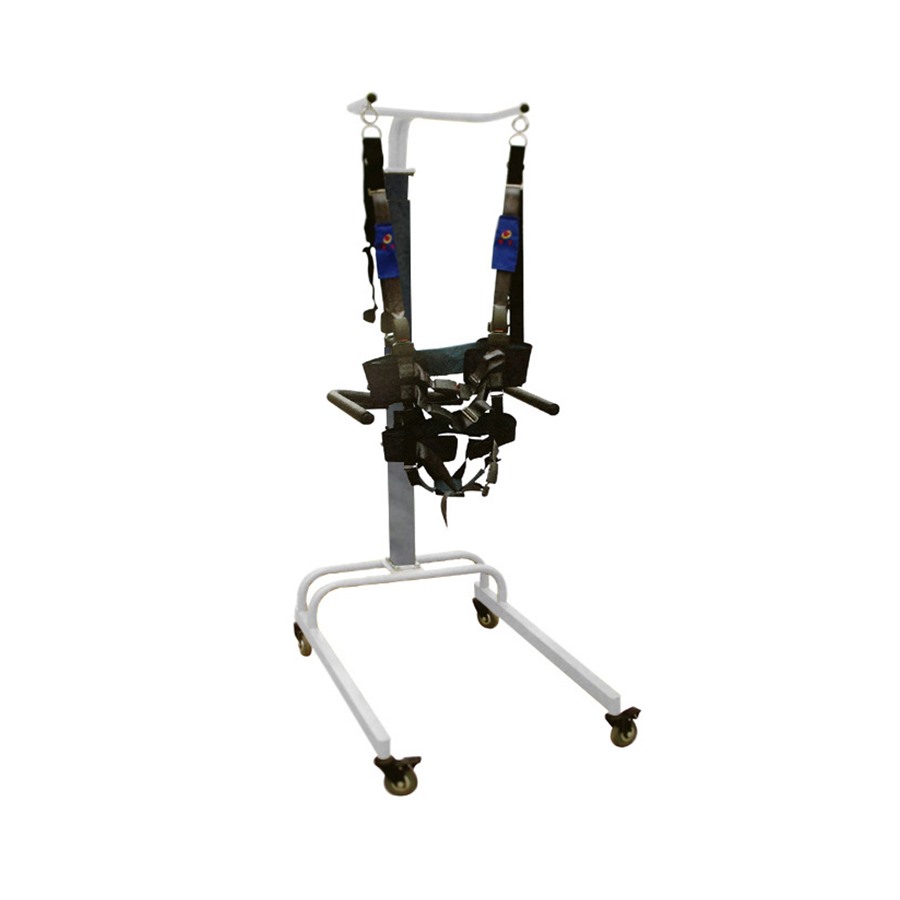
Body Weight Support Gait Trainer

Gait Training | KF-JZB-1

Body Weight Support Gait Trainer

Size: Confirm. Final specifications, accessories, packing, and document status should be confirmed before order.

View product details
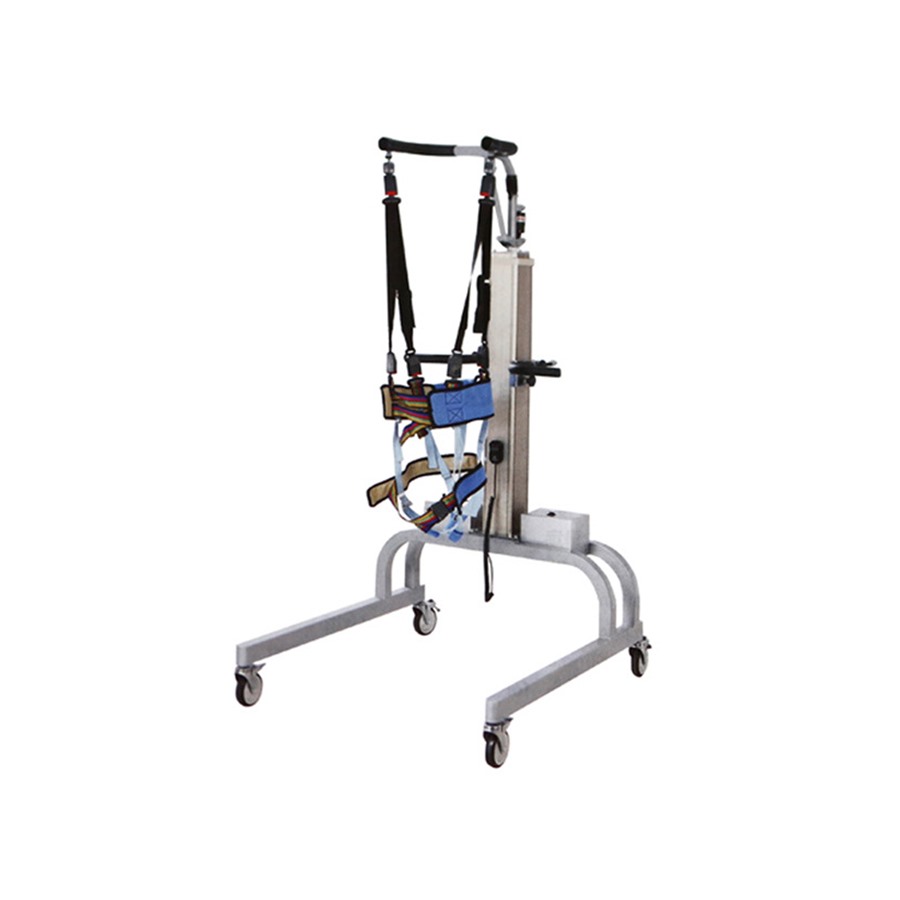
Elephant-Arm Body Weight Support Trainer

Gait Training | KF-JZB-2

Elephant-Arm Body Weight Support Trainer

Size: 1250*1050*2300. Final specifications, accessories, packing, and document status should be confirmed before order.

Request product details
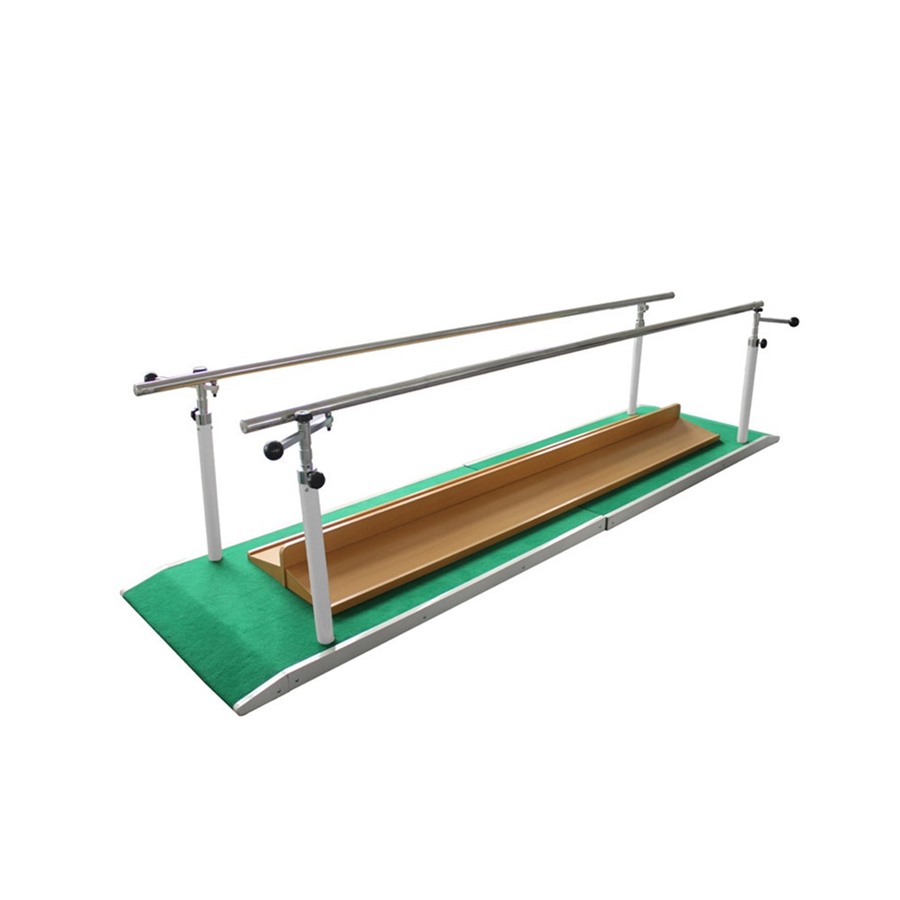
Parallel Bars with Accessories

Gait Training | KF-PHG-1

Parallel Bars with Accessories

Size: Confirm. Final specifications, accessories, packing, and document status should be confirmed before order.

View product details
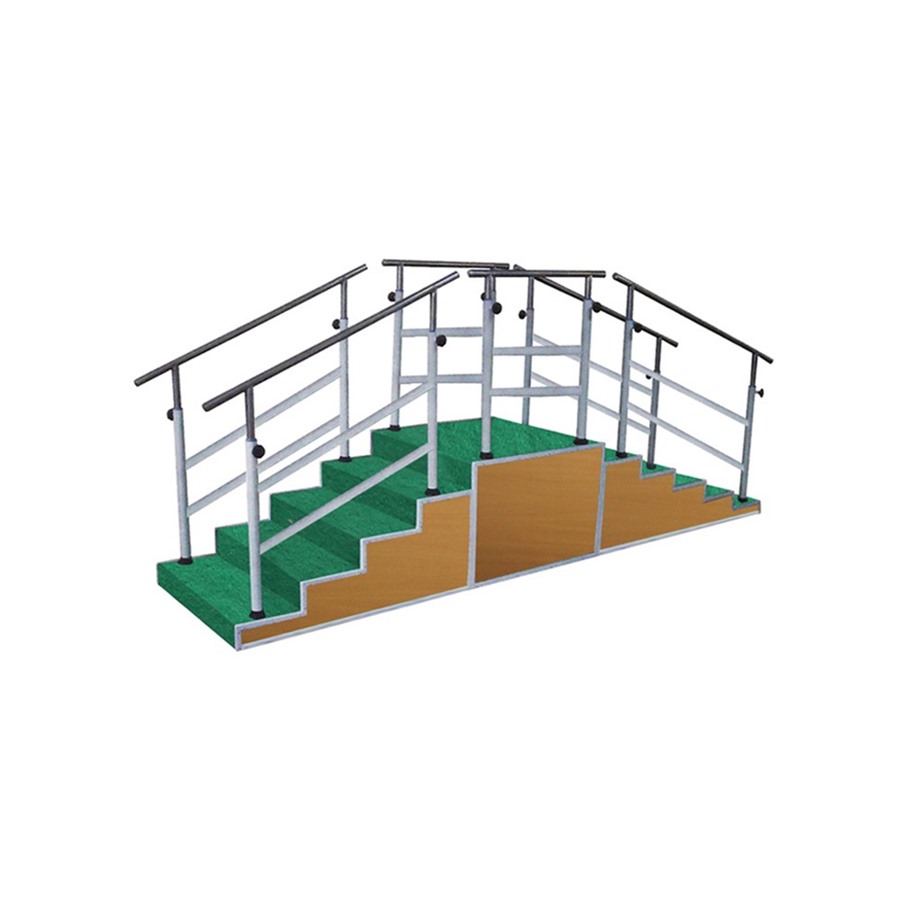
Two-Sided Training Stairs

Gait Training | KF-XFT-1

Two-Sided Training Stairs

A two-sided training stair unit for supervised step practice, balance work, and gait rehabilitation in professional therapy settings. Size: Request current datasheet.

View product details
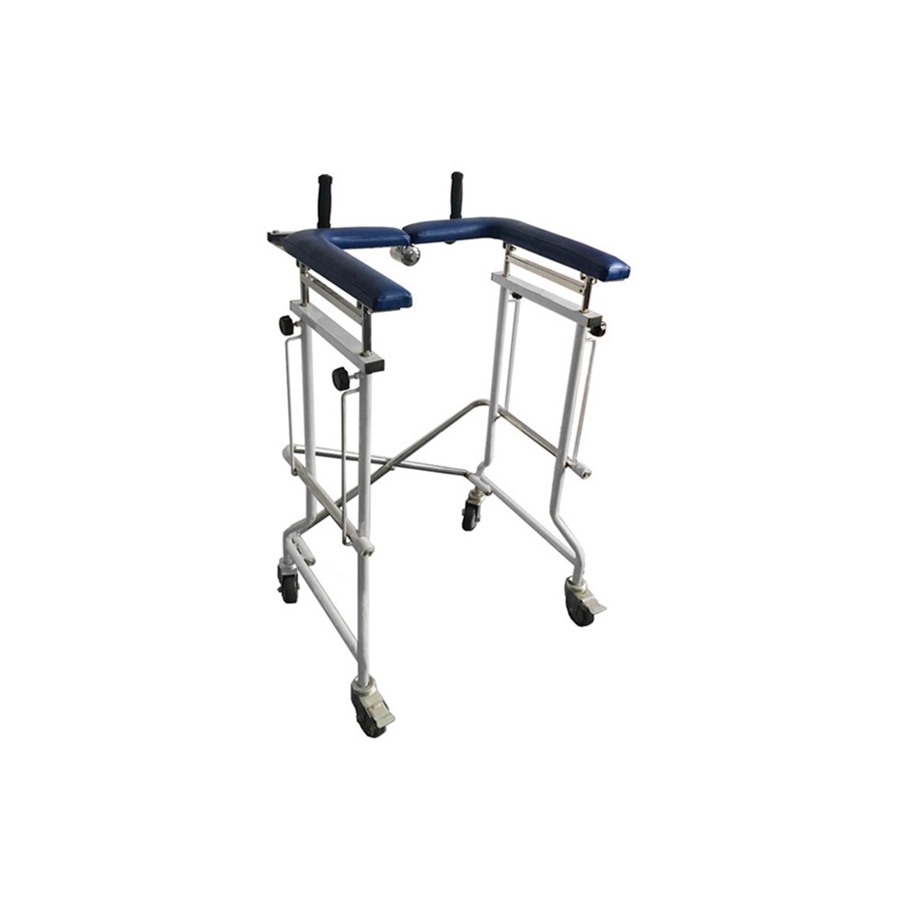
Foldable Four-Wheel Walking Aid

Gait Training | KF-FBQ-2

Foldable Four-Wheel Walking Aid

Size: Confirm. Final specifications, accessories, packing, and document status should be confirmed before order.

Request product details
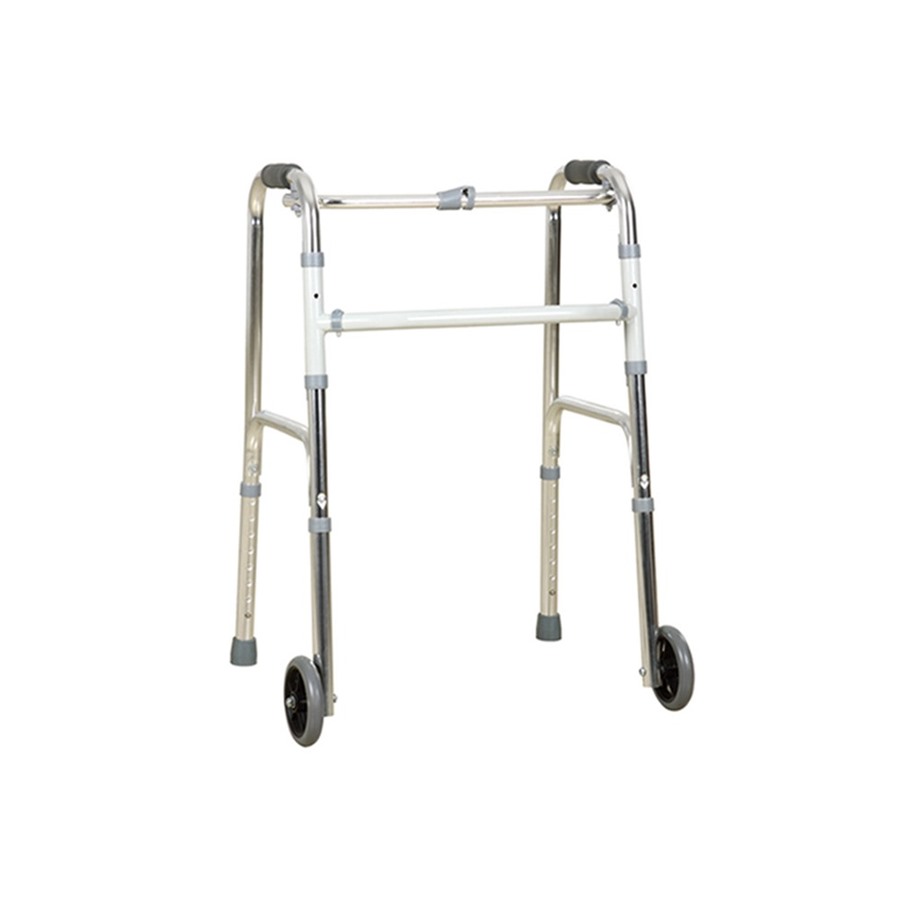
Two-Wheel Walker

Gait Training | KF-ZXQ-1

Two-Wheel Walker

Size: 78*50*8cm. Final specifications, accessories, packing, and document status should be confirmed before order.

Request product details

Buyer questions

Questions buyers ask about Gait Training Equipment

Use these answers to prepare a model comparison. Final suitability and documentation must be confirmed for the selected equipment and destination market.

What equipment is commonly used for gait training?

Common categories include body-weight-support gait trainers, parallel bars, training stairs, walkers, and balance equipment. The appropriate combination depends on the patient group and therapy plan.

How do I choose between parallel bars and a gait trainer?

Parallel bars provide a fixed, controlled walking lane. A body-weight-support gait trainer adds unloading or suspension support. Therapists should define the required support level before comparing models.

What room measurements are needed?

Record the usable floor area, doorway width, ceiling height, turning space, and access route. Large support frames may require additional assembly and installation clearance.

Can adult and pediatric gait equipment be combined in one quotation?

Yes. List each model, quantity, intended user group, and destination so the quotation and packing plan can be organized correctly.

Which documents should be checked before purchase?

Request the current model datasheet, manual, packing details, warranty terms, and destination-specific certificate or registration status. Document availability must be confirmed by model.