Standing and positioning equipment
Supports supervised upright positioning, alignment, and sit-to-stand routines.

Rehabilitation equipment category
For clinic buyers and distributors, this category brings together pediatric gait trainers, standing frames, parallel bars, slow treadmills, seating supports, and limb-training devices. Compare child-sized configurations, then request model details, packing, and document information for your destination market.
Available models
Send the model numbers, quantity, and destination country to request a tailored quotation.
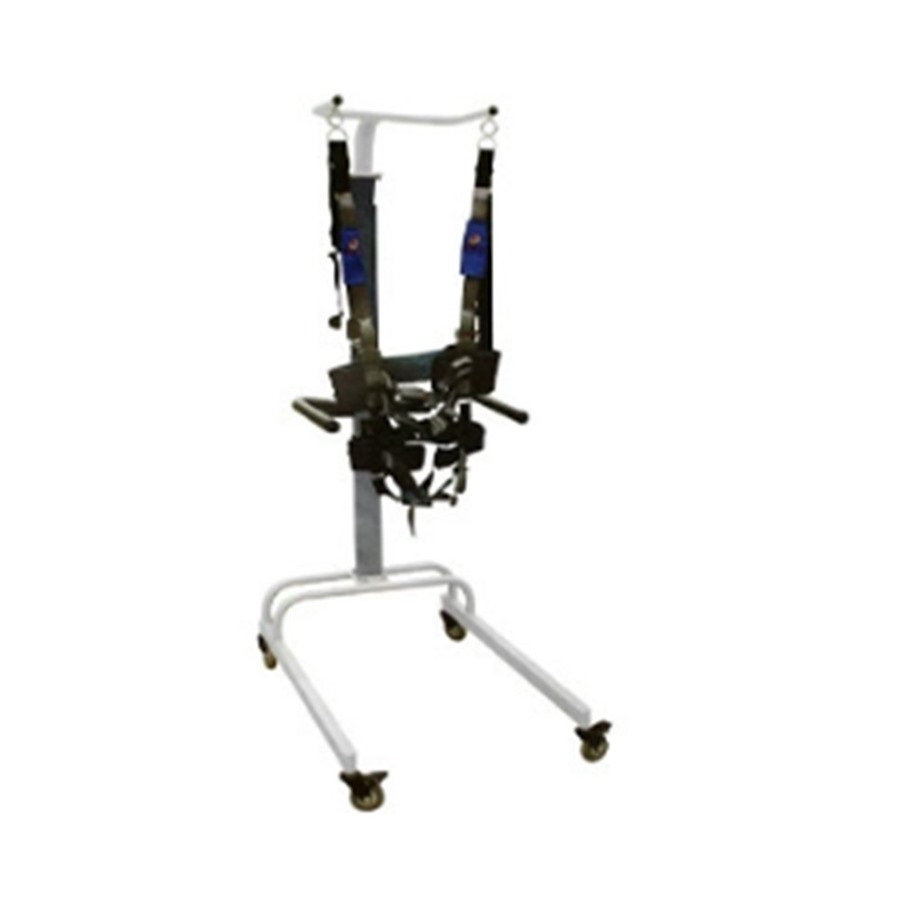
Pediatric Rehabilitation | JYE-JZB-1
Size: Confirm. Final specifications, accessories, packing, and document status should be confirmed before order.
View product details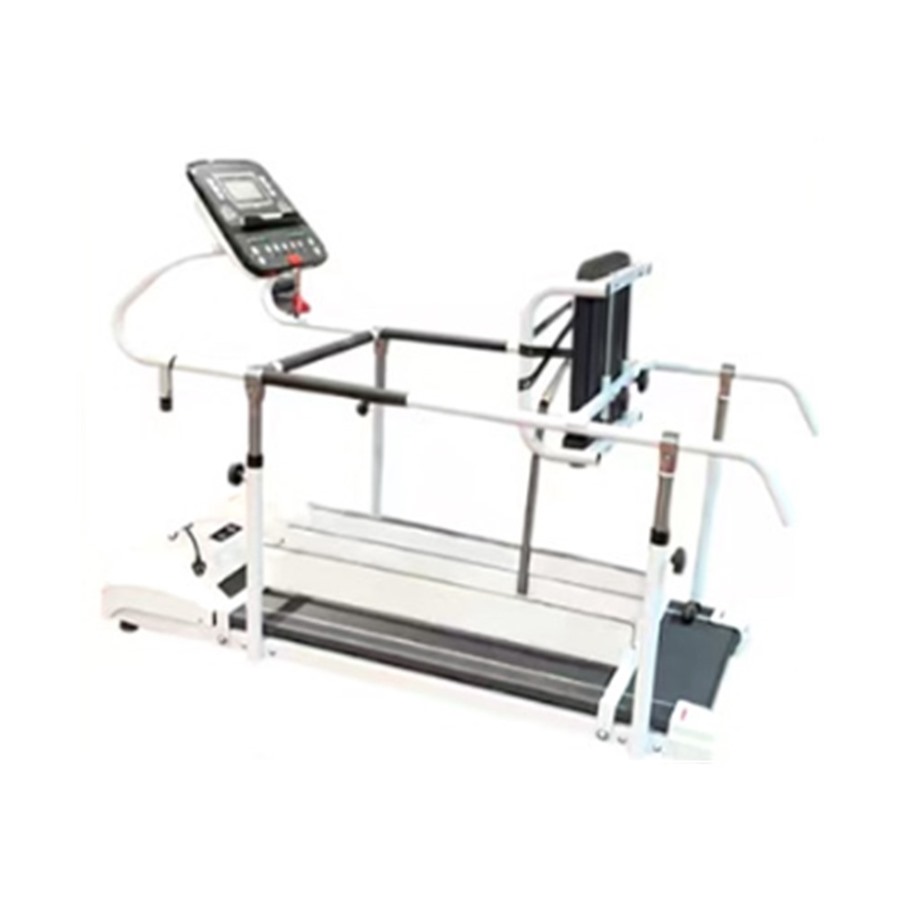
Pediatric Rehabilitation | JYE-PAI
A slow treadmill format for supervised pediatric gait and stepping activities in professional rehabilitation environments. Size: 1050 x 300 x 120 mm (catalog entry).
View product details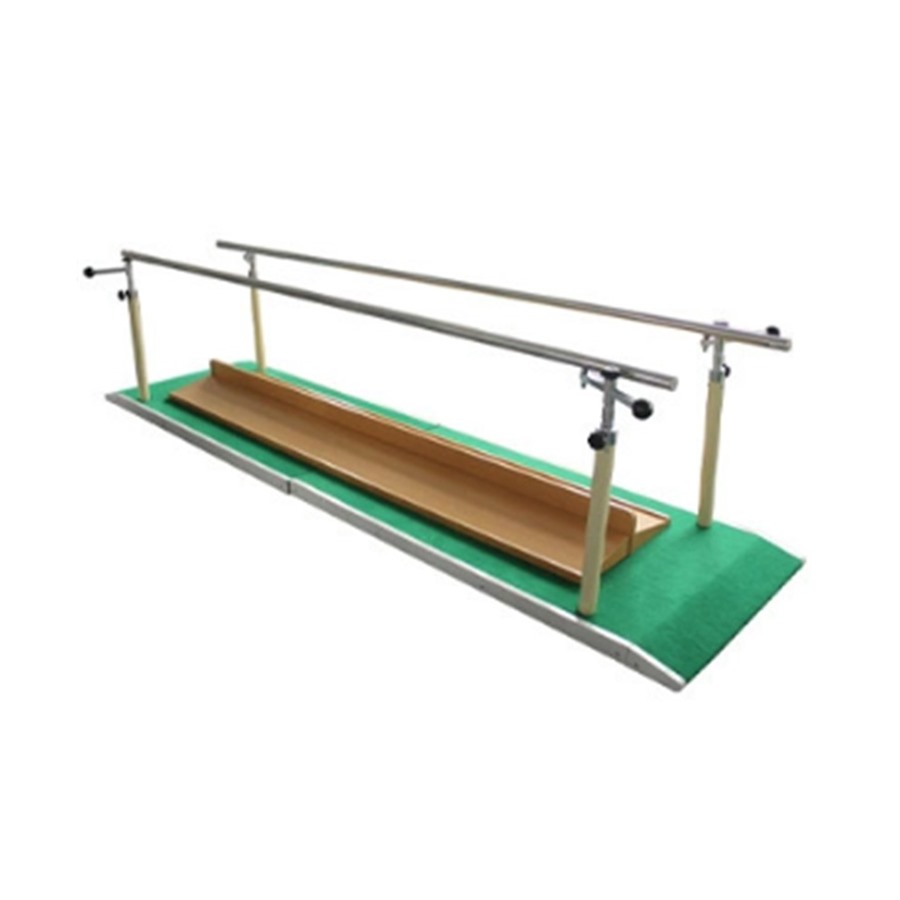
Pediatric Rehabilitation | JYE-PHG
Size: Confirm. Final specifications, accessories, packing, and document status should be confirmed before order.
View product details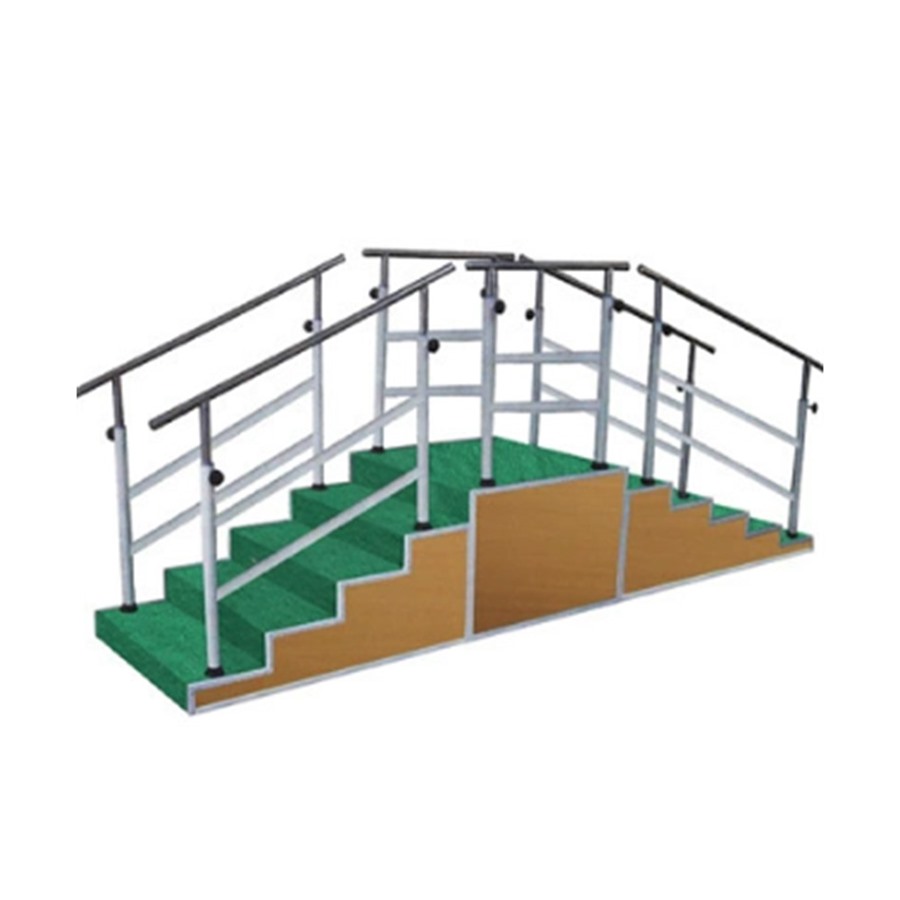
Pediatric Rehabilitation | JYE-XFT-1
Size: Confirm. Final specifications, accessories, packing, and document status should be confirmed before order.
Request product details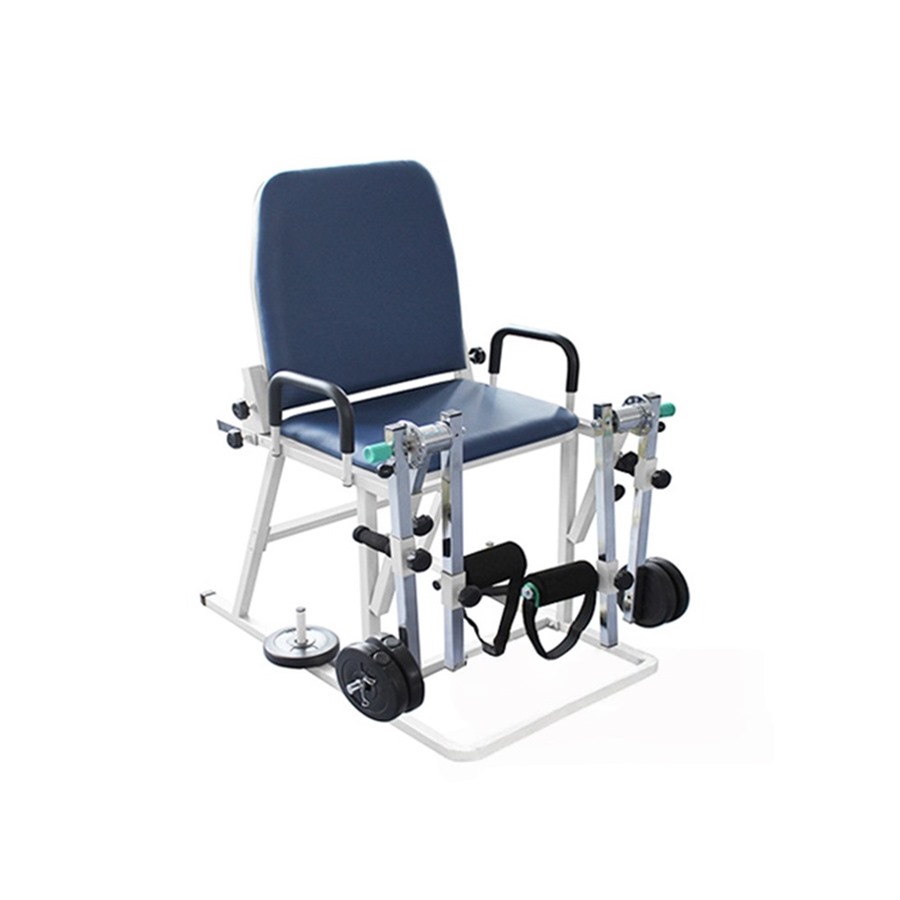
Pediatric Rehabilitation | JYE-GST
Size: Confirm. Final specifications, accessories, packing, and document status should be confirmed before order.
Request product details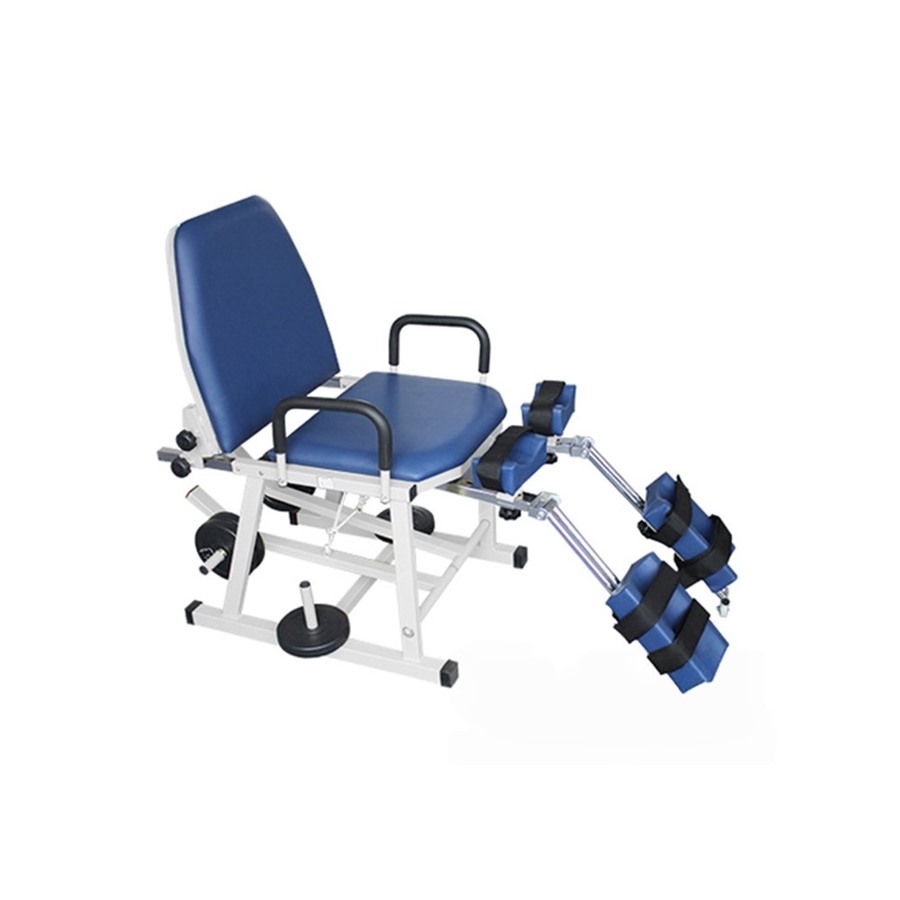
Pediatric Rehabilitation | JYE-KGJ
Size: Confirm. Final specifications, accessories, packing, and document status should be confirmed before order.
Request product details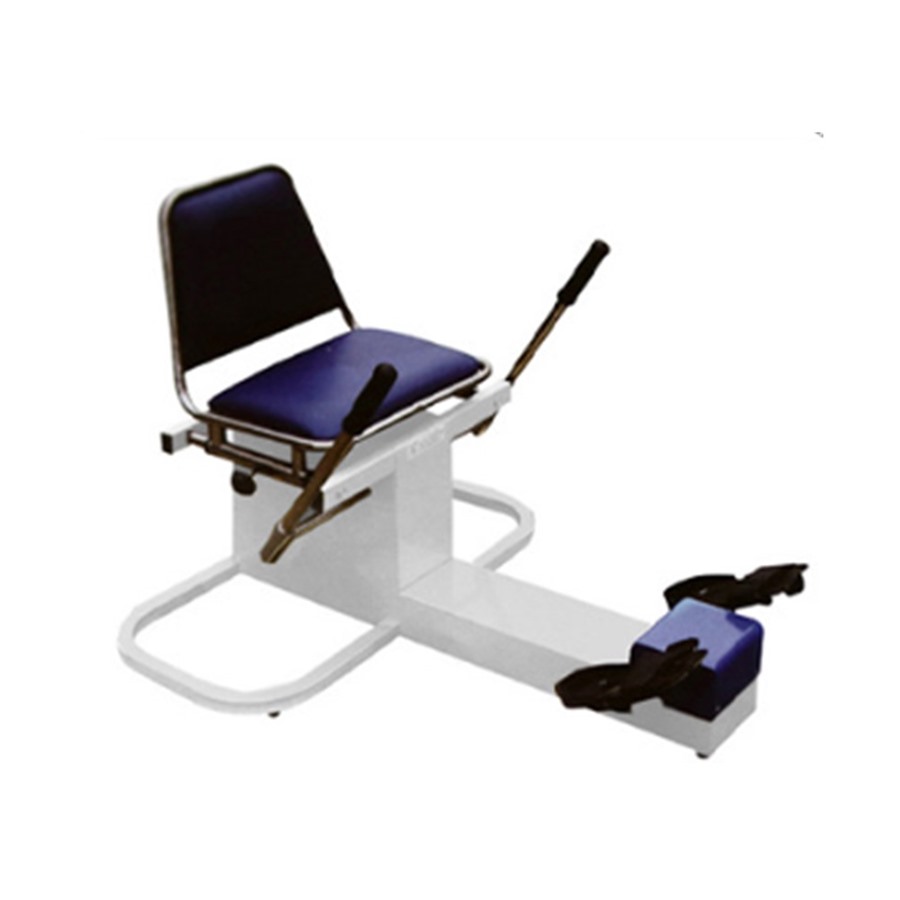
Pediatric Rehabilitation | JYE-HGJ
Size: Confirm. Final specifications, accessories, packing, and document status should be confirmed before order.
Request product details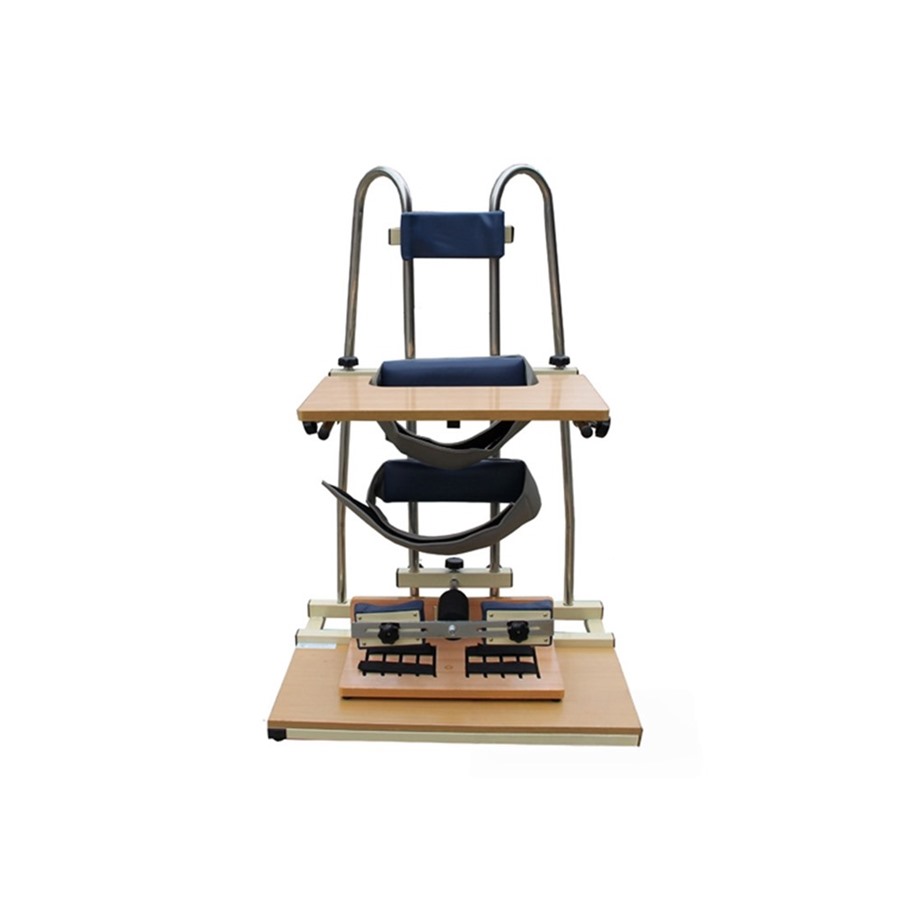
Pediatric Rehabilitation | JYE-ZLJ-2
Size: Confirm. Final specifications, accessories, packing, and document status should be confirmed before order.
View product details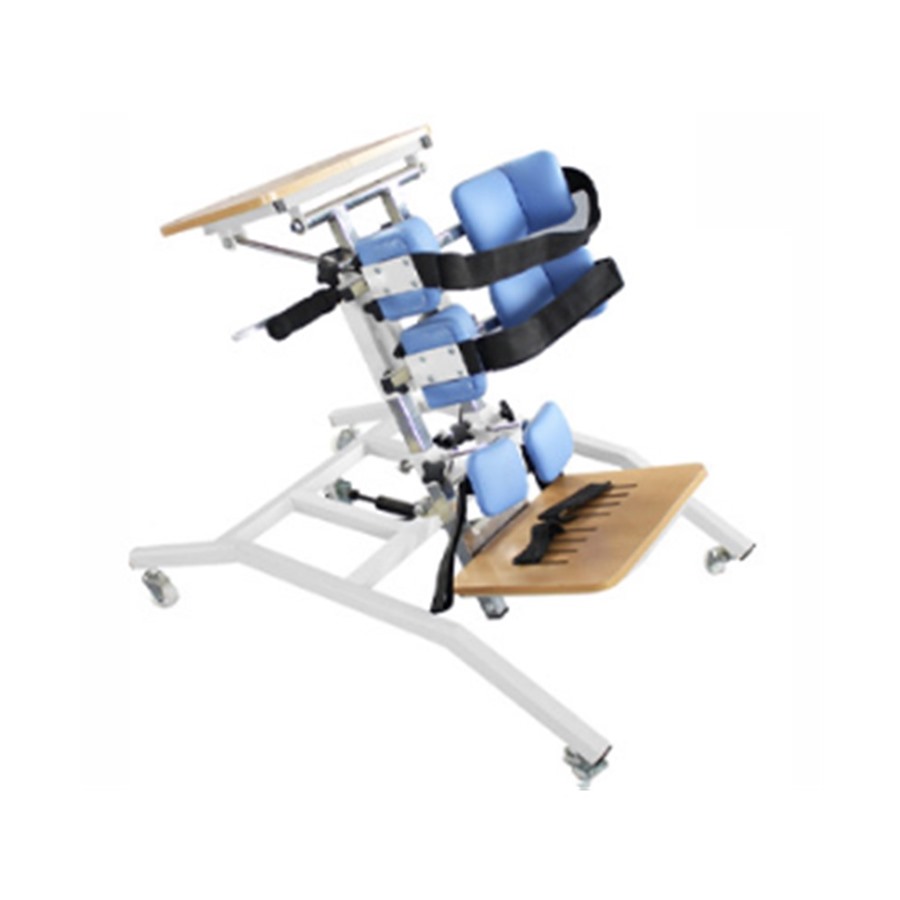
Pediatric Rehabilitation | JYE-ZLJ-5
Size: Confirm. Final specifications, accessories, packing, and document status should be confirmed before order.
Request product details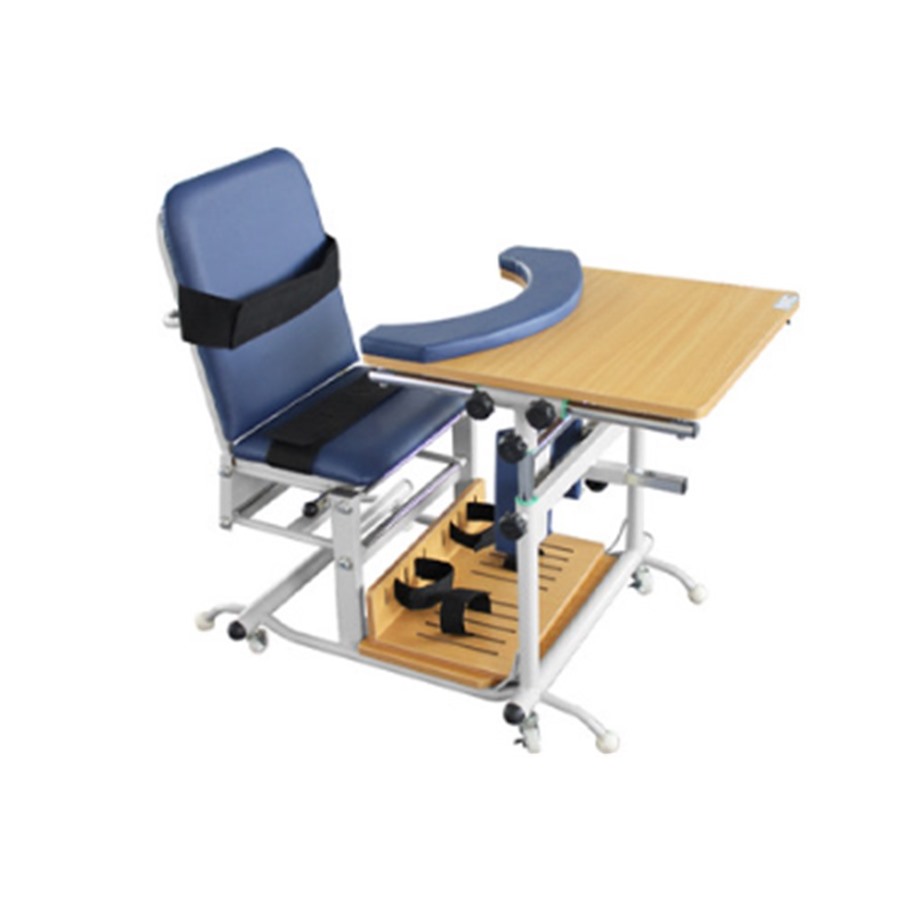
Pediatric Rehabilitation | JYE-ZLJ-4
Size: 58*92*91. Final specifications, accessories, packing, and document status should be confirmed before order.
Request product details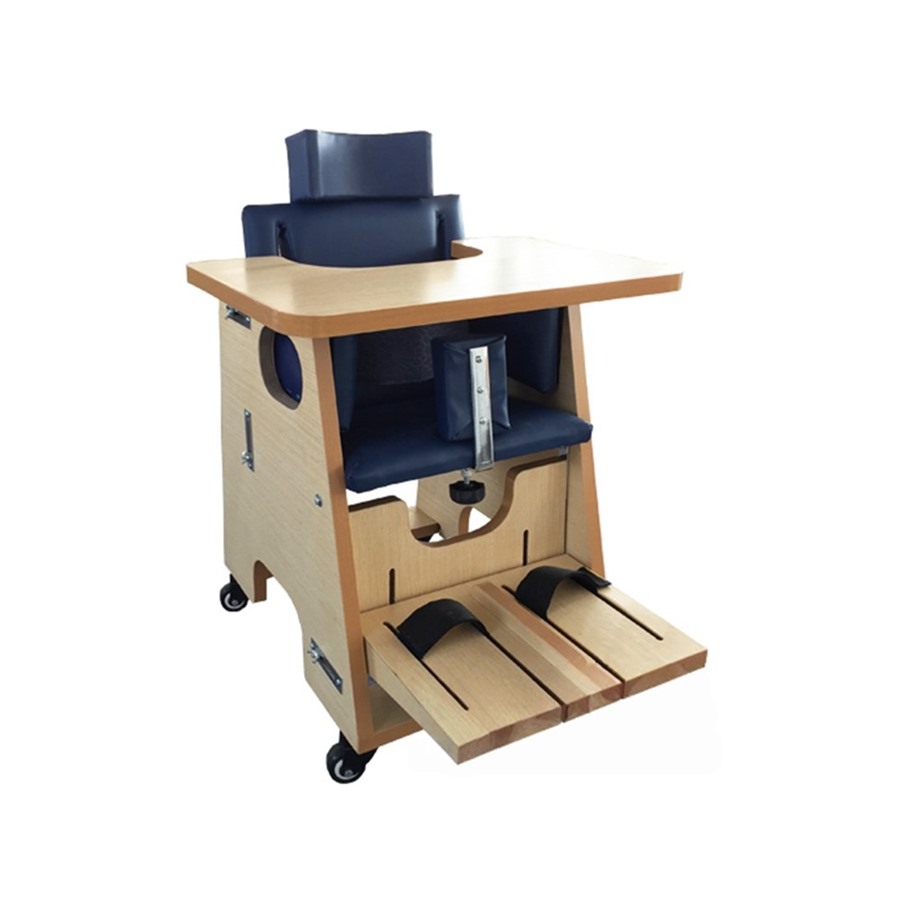
Pediatric Rehabilitation | JYE-ZJY-1
A small pediatric sitting-position support chair that should be matched to the child and prescribed supervision needs. Size: 55 x 36 cm (catalog entry).
View product detailsBuyer questions
Use these answers to prepare a model comparison. Final suitability and documentation must be confirmed for the selected equipment and destination market.
Pediatric models use different dimensions and adjustment ranges and may require additional positioning supports. An adult model should not be assumed suitable for pediatric use.
Provide the child's height, weight, relevant hip, knee, and foot measurements, and the requested positioning configuration. Final sizing must be confirmed against the model datasheet.
A room may include standing and positioning equipment, gait-training devices, seating supports, therapy tables, stairs, parallel bars, and activity-based training tools.
Age alone is not enough. Body dimensions, support needs, therapy goals, and professional assessment are more useful for model comparison.
Confirm sizing, accessories, language requirements, packing, manuals, warranty, and the destination-specific status of requested certificates or registrations.