
Rehabilitation equipment buying guide
Rehabilitation Equipment Import Documentation Checklist
Import requirements depend on the product, intended use, destination, buyer role, and local rules. A certificate name shown in a catalog should never be assumed valid for every model or market.
Published and reviewed:
Quick answer
Before ordering, create a model-level file containing the quotation, specifications, manual, packing data, warranty, electrical and labeling requirements, requested certificates, and the importer's destination-specific verification. Keep claims limited to documents that have been checked for the exact model.
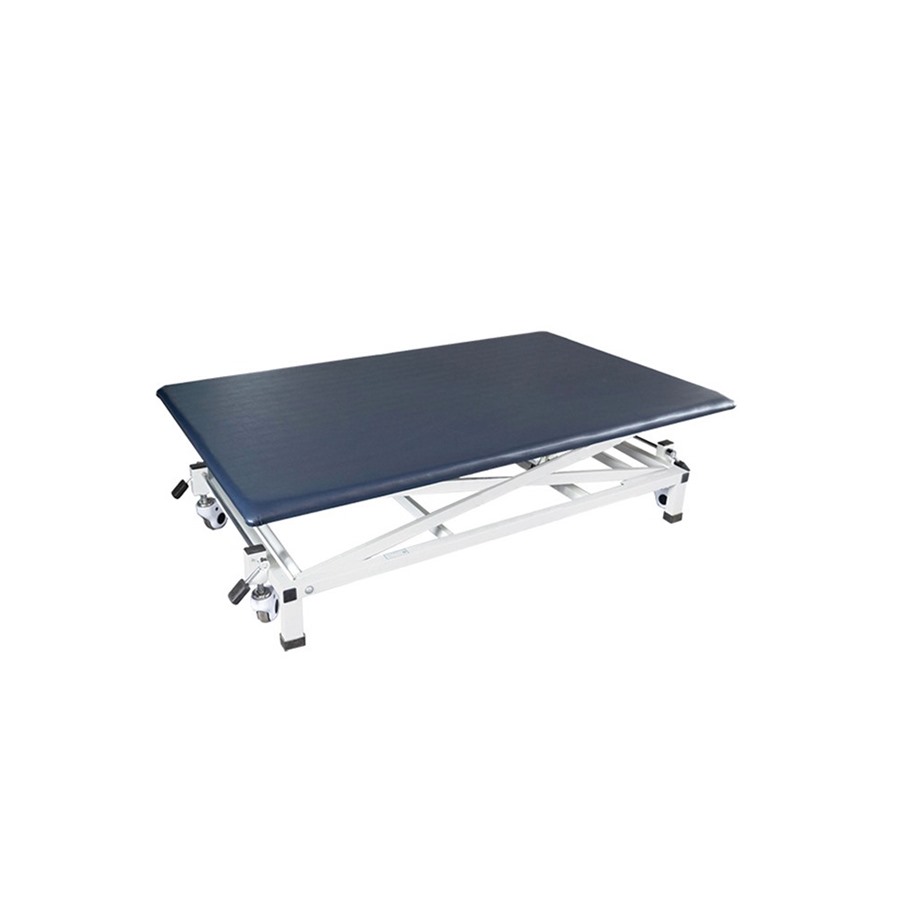
Use exact model identification
Record product name, model number, configuration, quantity, accessories, and revision. Similar names can refer to different structures, electrical components, or documentation.
Separate commercial and technical files
Commercial documents may include quotation, pro forma invoice, packing basis, payment and delivery terms. Technical files may include datasheets, manuals, drawings, electrical information, and maintenance instructions.
Verify certificates by model and market
Ask which legal entity issued or holds each document, the covered models, applicable standards, validity, and whether the destination accepts it. The importer or local specialist should make the final regulatory determination.
Confirm packing, labels, and delivery
Check packed dimensions, gross and net weight, package count, protection, assembly, shipping marks, label language, consignee details, and the agreed Incoterm before dispatch.
Official resources for destination-market checks
Use regulator and public-health sources as the starting point for research, then have the importer or a qualified local specialist determine the classification, registration, labeling, and evidence required for the exact product and intended use.
- US FDA Device Advice - official explanations of US medical-device requirements and lifecycle responsibilities.
- European Commission medical devices overview - official EU sector and regulatory framework information.
- World Health Organization rehabilitation overview - public-health context for rehabilitation services.
Important: These links do not prove that a RehabIntl product is registered, certified, or accepted in a destination market. Check model-level evidence before purchase, import, or marketing.
Comparison table
| Item | Primary role | What to verify |
|---|---|---|
| Product identification | Name, model, configuration, quantity, accessories | Buyer and supplier |
| Technical documents | Datasheet, manual, drawings, electrical details | Supplier; buyer verifies suitability |
| Compliance documents | Requested certificates and covered models | Importer or local specialist verifies acceptance |
| Shipping documents | Invoice, packing list, labels, origin and transport documents | Parties confirm according to shipment and destination |
Information to prepare
- Exact model numbers, configurations, quantities, and accessories
- Destination country, port, importer type, and intended use
- Voltage, frequency, plug, labels, manuals, and language
- Requested certificates with model coverage and validity checks
- Packing, shipping marks, Incoterm, freight, warranty, and after-sales contacts
Frequently asked questions
Does a CE mark mean a product can be imported everywhere?
No. Requirements differ by destination, product classification, model, documentation, and importer obligations. Verify locally before purchase or marketing.
Can one certificate cover every model in a catalog?
Do not assume so. Check the listed manufacturer, product scope, model list, standards, issue details, and validity.
Who is responsible for destination-market verification?
The importer should confirm local regulatory and customs requirements, often with a qualified local specialist. The supplier provides available model documents.
When should documents be reviewed?
Review critical technical and compliance documents before the purchase decision, then confirm final commercial and shipping documents before dispatch.
Definition
A rehabilitation equipment import checklist records the technical, commercial, and logistics information needed before a cross-border purchase. It is not a substitute for local regulatory advice; it helps the buyer make sure the product configuration, documents, packing, and delivery responsibilities are clear before shipment.
Numeric facts to include in the enquiry
- Request 1 exact model and the product specifications needed for the intended market.
- Confirm 1 quantity, package count, packed dimensions, and gross weight for each shipment group.
- State 3 commercial details: named destination, agreed delivery term, and the party responsible for customs documentation.
Procurement steps
- Check the intended product use and local import or registration requirements before ordering.
- Ask the supplier to provide the final proforma invoice, packing list, product configuration, and available technical documents.
- Confirm packaging, marks, freight route, insurance responsibility, and destination handling with the relevant parties.
- Keep the written quotation and shipment documents aligned with the final order configuration.
Buyer FAQ
Does a product brochure prove import eligibility?
No. A brochure can describe a product, but buyers should check the requirements that apply in their own market with appropriate local professionals or authorities.
Why ask for packed dimensions before freight is booked?
Packed dimensions and gross weight affect freight planning, handling, storage, and the suitability of the delivery route.