
Rehabilitation equipment buying guide
Pediatric Rehabilitation Room Equipment Checklist
Pediatric rehabilitation rooms need equipment that fits children's dimensions and supports safe therapist access. Age labels are not enough: sizing, positioning, transfer, adjustability, cleaning, and the planned therapy activities all affect selection.
Published and reviewed:
Quick answer
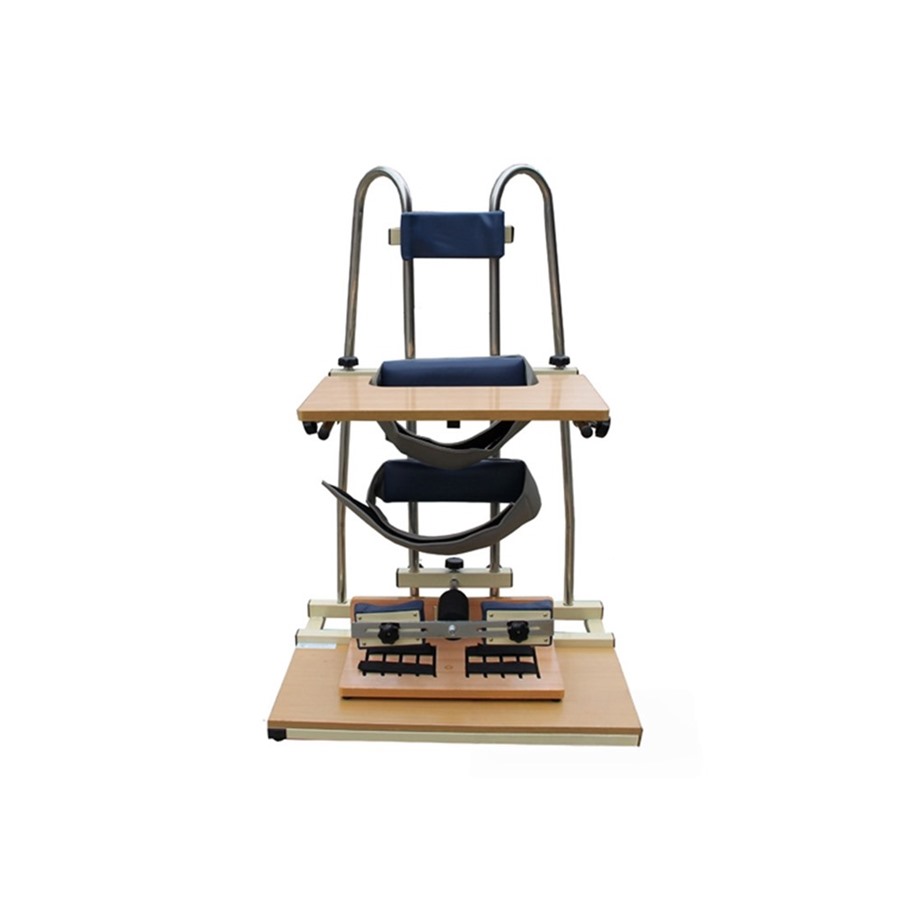
Plan pediatric equipment by activity zone: assessment and seating, standing and positioning, gait and mobility, tabletop and hand activities, floor work, and storage. Confirm the child-size range and support configuration for every adjustable model.
Use measurements, not age alone
Record the intended height and weight range plus relevant seated, standing, hip, knee, and foot dimensions. Compare these measurements with the manufacturer's adjustment range and instructions.
Separate therapy zones
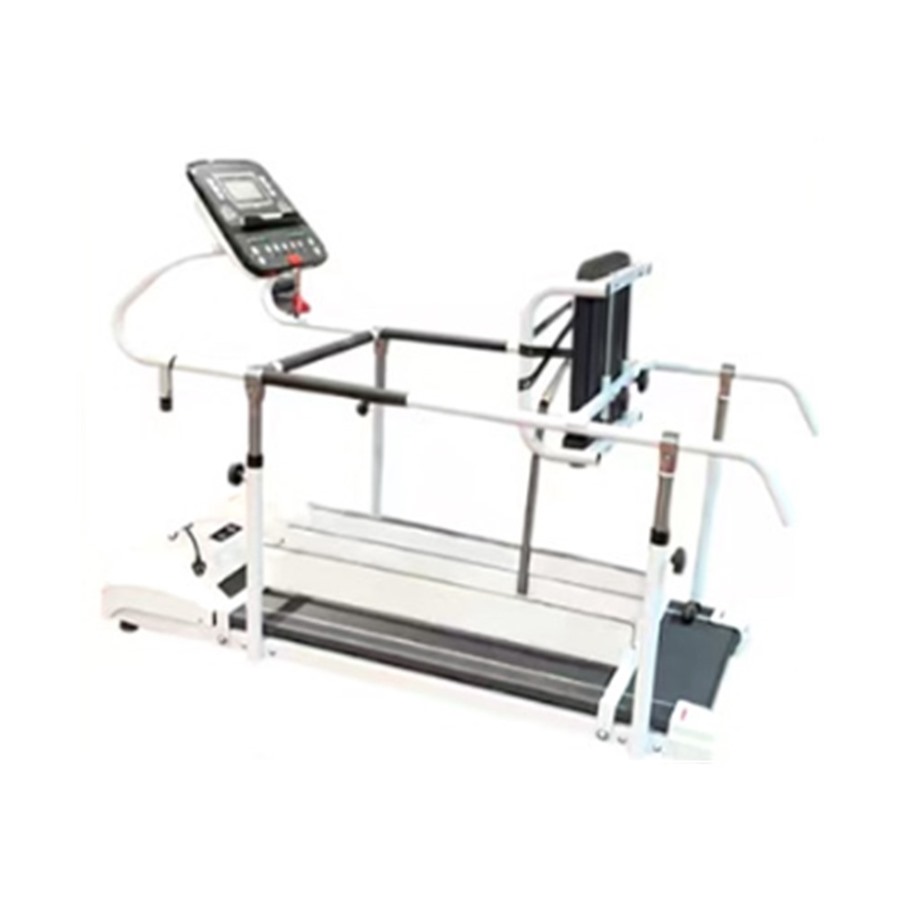
Create clear zones for transfers, standing, gait practice, seated work, floor activities, and storage. Keep circulation visible and avoid placing large frames where they block wheelchair or caregiver access.
Review supports and contact surfaces
For standing, seating, and gait products, compare trunk, pelvic, knee, foot, and head supports as applicable. Confirm adjustment, cleaning, inspection, and replacement procedures.
Confirm supervision and documents
Pediatric equipment should be used within qualified professional programs. Request manuals, warnings, maintenance information, accessory lists, and model-specific document status before purchase.
Comparison table
| Item | Primary role | What to verify |
|---|---|---|
| Standing frame | Supported upright positioning | Size range, supports, tabletop, foot positioning, transfers |
| Pediatric gait trainer | Supported stepping practice | Harness or supports, height, caster and brake design |
| Posture chair | Supported sitting and tabletop activity | Seat dimensions, trunk and foot supports, adjustability |
| Pediatric parallel bars | Controlled walking practice | Handrail range, width, ramp, platform, room clearance |
Information to prepare
- Intended child height and weight range
- Positioning and support requirements
- Therapist, caregiver, and transfer access
- Cleaning, storage, and small-part control
- Manuals, warnings, accessories, packing, and document status
Frequently asked questions
Can adult equipment be used for pediatric programs?
Do not assume it is suitable. Dimensions, adjustment ranges, supports, controls, and instructions must match the intended user group.
What is the first measurement to request?
Height and weight are a starting point, but standing and seating products often need additional body measurements and support information.
How much free space should be left around equipment?
Use the product footprint plus transfer, therapist, caregiver, movement, and emergency access space. Check the complete room plan.
Can a pediatric room package include adult therapy tables?
Possibly, if the dimensions and workflow are suitable. Confirm working height, access, transfer method, and the intended activities rather than relying on the product label.
Definition
A pediatric rehabilitation room checklist connects therapy activities to room zoning, child size ranges, supervision, cleaning, storage, and equipment access. It helps a centre build a workable room instead of copying an adult equipment list.
Numeric facts to include in the enquiry
- Identify 1 planned room programme and user group.
- Request 1 exact model and 1 quantity for each priority item.
- Record 4 logistics fields: package count, packed dimensions, gross weight, and delivery term.
Planning steps
- Map activity, calm, transfer, storage, and supervision zones.
- Separate opening essentials from later specialist items.
- Check cleaning, access, adjustment ranges, and room circulation.
- Compare written configurations and service scope.
Buyer FAQ
Can an adult room checklist be reused unchanged?
No. Pediatric size, activities, supervision, and safeguarding requirements need separate review.
What should be measured first?
Measure access routes, usable room footprint, storage, and therapist movement.