
Southeast Asia tender and project procurement guide
Southeast Asia Rehabilitation Equipment Tender Checklist
A Southeast Asia rehabilitation equipment tender is easier to compare when the project scope, user groups, equipment schedule, technical documents, delivery details, and destination requirements are defined before bids are requested.
Published and reviewed:
Quick answer
Prepare the facility scope, rooms, quantities, equipment types, acceptable configurations, technical evidence, packing, electrical details, installation, training, warranty, and document requirements. Confirm country-specific requirements with the tender authority and importer.
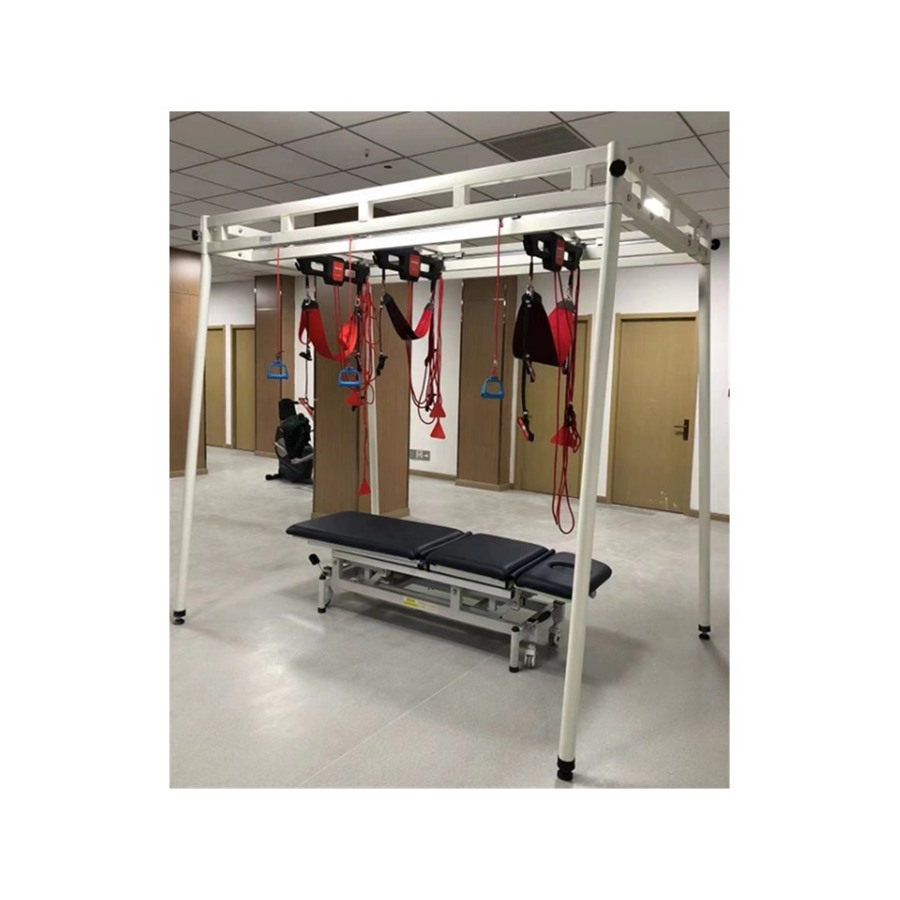
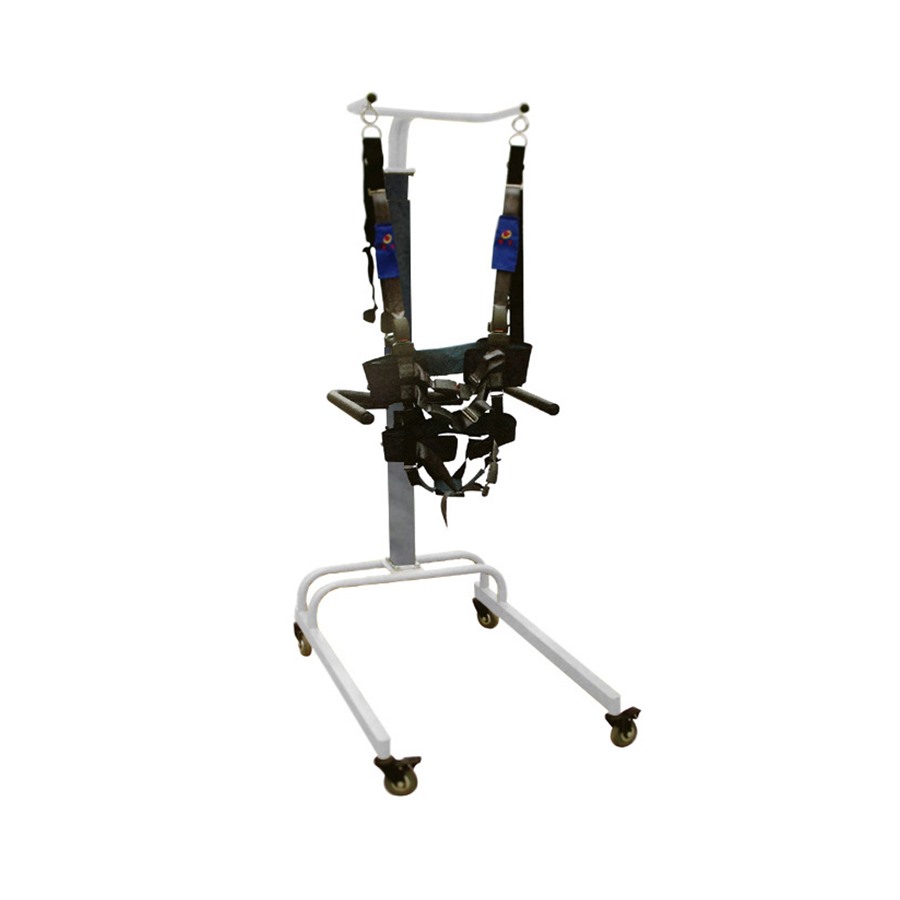
Define the project scope
Record the facility type, therapy programs, user groups, rooms, quantities, delivery site, and project stages. A private clinic, hospital, pediatric center, and senior-care project may require different equipment schedules.
Create a room-based equipment schedule
Group gait, pediatric, occupational therapy, upper-limb, lower-limb, suspension, full-body, and therapy-table items by room. Link the schedule to the relevant [rehabilitation equipment catalog](/products).
Set response and document requirements
State the required model information, datasheets, manuals, packing details, electrical configuration, warranty, installation, training, and document status. Separate mandatory requirements from acceptable alternatives.
Review before submission
Check every bid line against the tender schedule. Mark deviations, standard accessories, optional accessories, and unresolved questions clearly.
What to confirm before purchase
Confirm the exact model, configuration, quantity, room access, destination, electrical requirements, packing, documents, installation, training, warranty, and importer responsibilities.
Information to prepare
- Project country, authority, facility type, and delivery site
- Tender scope, BOQ, exact models, quantities, and accessories
- Room, access, electrical, packing, and installation information
- Technical, commercial, warranty, training, and document requirements
- Clarification log, accepted deviations, and importer responsibilities
Frequently asked questions
Should one tender use one equipment category?
Not necessarily. Organize the scope by room and program so different equipment categories can be evaluated together.
Are requirements identical across Southeast Asia?
No. Country, authority, project, and model requirements must be confirmed for the specific tender.
Can a supplier assume the destination requirements?
No. The buyer, importer, and responsible project authority should confirm destination requirements.
Definition
A Southeast Asia rehabilitation equipment tender checklist helps a project team specify equipment, delivery, documents, installation, and support in a comparable format. Local procurement and import requirements still need to be checked for the destination market.
Numeric facts to include in the tender
- State 1 project scope and destination.
- Request 1 exact model and 1 quantity for every line.
- Record 4 logistics fields: package count, packed dimensions, gross weight, and delivery term.
Tender steps
- Separate mandatory specifications from options.
- Use consistent response fields and written clarifications.
- Request documents, freight, installation, training, and support scope.
- Compare only compliant, like-for-like submissions.
Buyer FAQ
Can one tender template suit every country?
No. Destination requirements and procurement rules must be checked locally.
Why state delivery terms?
They clarify who carries responsibility for freight, customs, unloading, and handover.