
Rehabilitation equipment buying guide
Tilt Table vs Standing Frame: Buyer Comparison
Tilt tables and standing frames both support upright positioning workflows, but they are not interchangeable. Their starting position, adjustment method, supports, transfer process, footprint, and intended programs differ.
Published and reviewed:
Quick answer
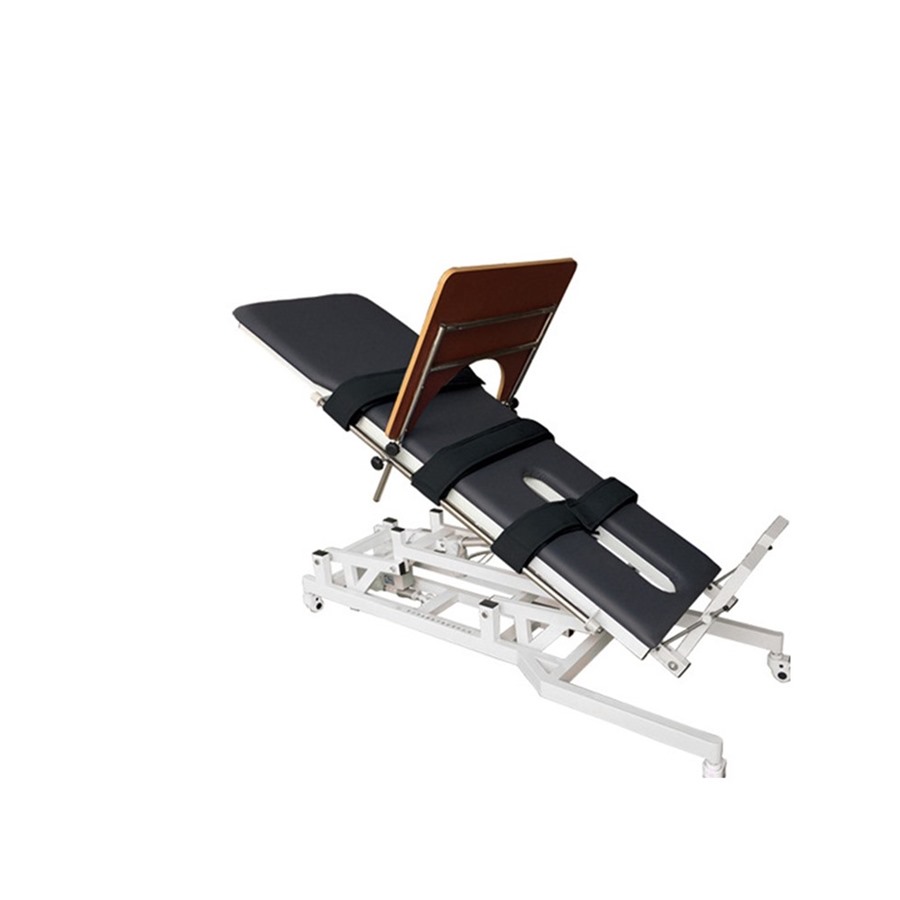
A tilt table generally changes a user from a horizontal or near-horizontal position toward upright using a controlled table surface. A standing frame supports upright positioning from a seated or standing transfer configuration. The clinical team should define the required workflow before models are compared.
Compare the starting position
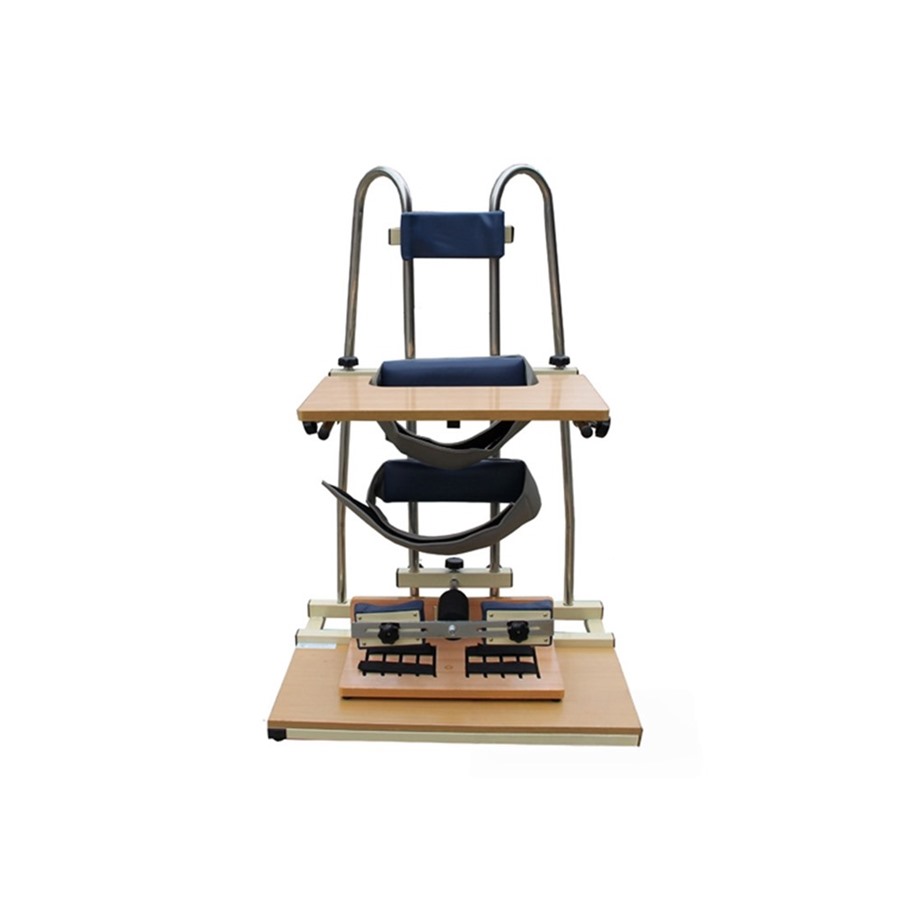
A tilt table usually begins with the user supported on a table surface. Standing-frame designs vary and may use sit-to-stand, forward-tilt, rear-support, or fixed upright configurations. Confirm the exact transfer sequence.
Review supports and adjustment
Compare straps, footboards, knee supports, trunk or pelvic supports, tabletop, tilt range, height range, and controls. The presence of a support does not prove it fits every user.
Check room and power requirements
Electric tilt tables require destination voltage and plug confirmation plus service access. Both categories need transfer clearance, therapist access, a suitable delivery route, and storage or parking space.
Use model documents for final decisions
Request dimensions, rated capacity, adjustment range, operating instructions, warnings, maintenance, packing, warranty, and document status for the exact model.
Comparison table
| Item | Primary role | What to verify |
|---|---|---|
| Starting position | Horizontal or near-horizontal on table | Varies: seated, supported standing, or sit-to-stand |
| Main adjustment | Controlled table tilt | Frame and support adjustments; some models add tilt |
| Typical utilities | Often electric; model dependent | May be manual or powered; model dependent |
| Key checks | Tilt range, footboard, straps, table height, transfer | Size range, knee and trunk supports, tabletop, transfer |
Information to prepare
- Required starting position and transfer method
- User dimensions and required supports
- Tilt, height, and positioning range
- Room access, power, plug, and service clearance
- Exact model manual, warranty, packing, and document status
Frequently asked questions
Is a standing frame the same as a tilt table?
No. They may both support upright positioning, but their structure, transfer method, adjustment, and operating workflow differ.
Which option is easier for transfers?
That depends on the user group, transfer equipment, staffing, table height, frame opening, and room layout. Compare the full workflow, not one dimension.
Do all tilt tables need electricity?
No. Designs vary, but many height or tilt functions are powered. Confirm voltage, frequency, plug, controls, and manual backup where applicable.
Can the supplier decide which one is clinically appropriate?
The qualified clinical team should define suitability and protocol. The supplier can provide model-level specifications and procurement information.
Definition
A tilt table and a standing frame can support different positioning and standing workflows. Buyers should compare transfer, adjustment, supports, therapist access, room clearance, and the programme in which the equipment will be used.
Numeric facts to include in the enquiry
- Identify 1 intended workflow and user group.
- Request 1 exact model, adjustment range, dimensions, and safe working load.
- Confirm 3 logistics details: package information, gross weight, and delivery scope.
Comparison steps
- Define transfer, positioning, and supported-standing needs.
- Check supports, controls, footprint, clearance, and power.
- Compare accessories, installation, freight, and support in writing.
- Choose the configuration that fits the clinic process.
Buyer FAQ
Can a standing frame replace every tilt table?
No. They may support different transfer and positioning workflows.
Should room access be checked?
Yes. Include delivery route, transfer space, storage, and operating clearance.