
Pediatric rehabilitation · Buyer comparison
Pediatric Standing Frame vs Sitting Support Chair
A standing frame with tabletop and a sitting posture support chair serve different positioning and activity setups.
Published and reviewed:
Quick answer
Choose the format that matches the planned activity, positioning approach, child measurements, support configuration, and supervised workflow.
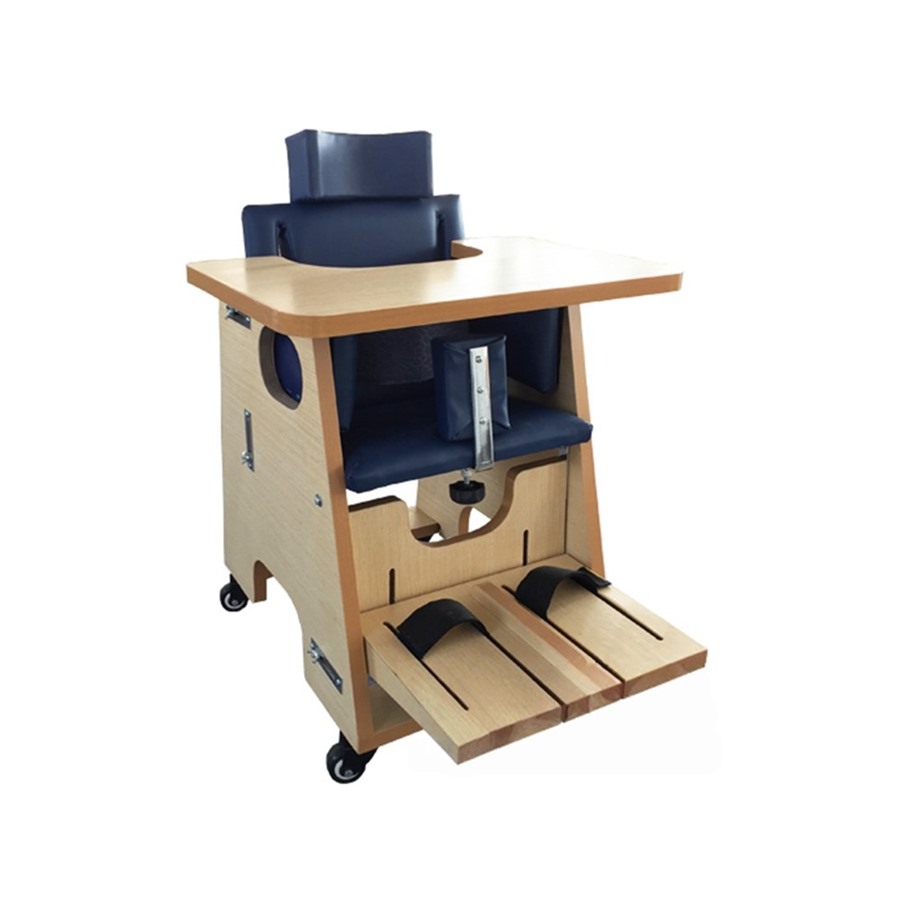
Define the activity first
Use the project brief to distinguish supported standing activities from supported sitting and therapist-directed table activities. The two products should be reviewed as separate configurations, not interchangeable names.
Match supports to the plan
The sitting-chair product information asks buyers to confirm seat, back, pelvic, trunk, foot, and table support configuration. For a standing-frame request, ask for the exact support and tabletop scope. Responsible professionals must review clinical suitability and measurements.
Buy a confirmed configuration
Include child measurements, intended activities, quantity, destination, cleaning conditions, room access, and required documents in the inquiry. Never infer sizing or included accessories from an image.
What to confirm before purchase
- Child measurements and positioning requirements
- Exact supports, tabletop, foot, trunk, and pelvic configuration
- Cleaning, room workflow, dimensions, packing, and documents
Buyer FAQ
Can this guide replace an exact product specification?
No. Confirm the selected model, included accessories, dimensions, electrical details, packing, documents, and destination requirements in writing.
What should be in a quotation request?
State the intended setting, quantity, destination country, required configuration, delivery access, electrical needs, and requested documents.
Definition
A pediatric standing frame and a supported sitting chair serve different positioning workflows. The comparison should consider the child’s size, transfer method, support points, activity, therapist access, room clearance, and the centre’s supervision process.
Numeric facts to include in the enquiry
- State 1 intended activity and approximate size range.
- Request 1 exact model, adjustment range, footprint, and safe working load.
- Confirm 3 supply details: supports, package information, and delivery scope.
Comparison steps
- Define whether supported standing or seated activity is the priority.
- Check transfer, pelvic and trunk support, foot support, adjustment, and clearance.
- Compare accessories, freight, installation, and support in writing.
- Choose the configuration that fits the qualified team’s workflow.
Buyer FAQ
Can a sitting chair replace a standing frame?
No. They support different positions and activities.
Should fit be checked before ordering?
Yes. Size range, adjustment, transfer, and support must be checked against the intended user group.