
Lower-limb rehabilitation buying guide
Lower-Limb Rehabilitation Equipment for Clinics: Main Equipment Types
Lower-limb equipment planning should separate strengthening, cycling, standing, gait, and positioning workflows before models are selected.
Published and reviewed:
Quick answer
Group lower-limb equipment by the activity it supports, then compare adjustment range, access, footprint, user group, accessories, and documentation. The same category may contain very different configurations.
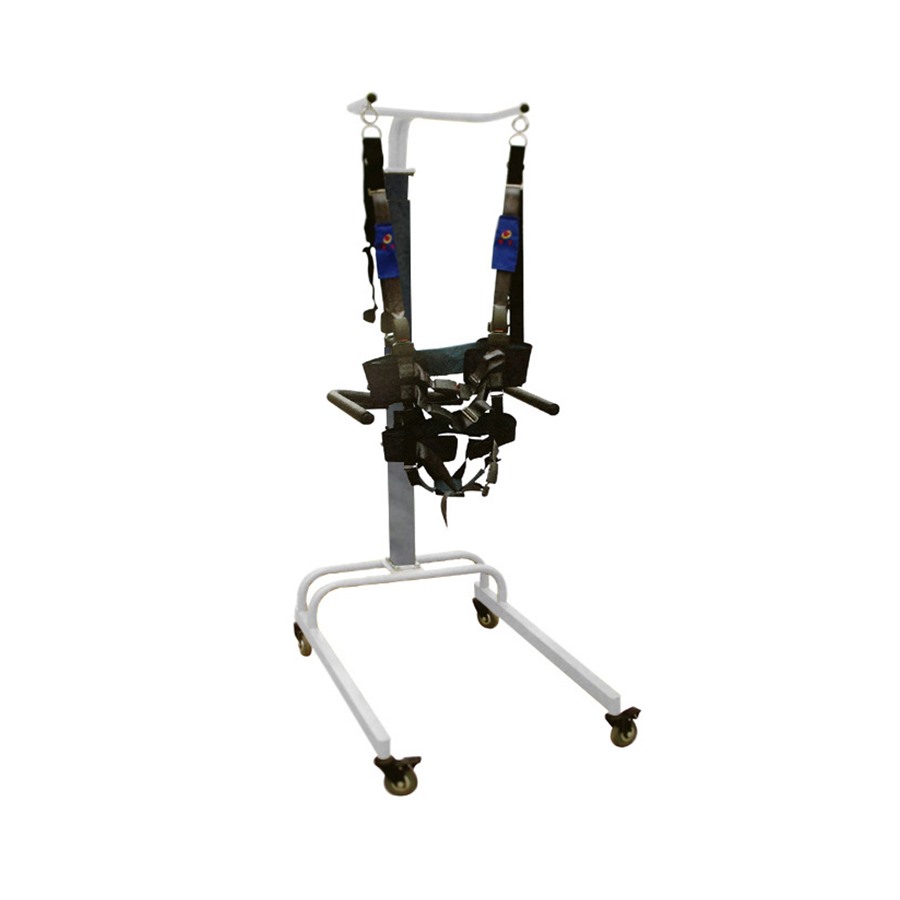
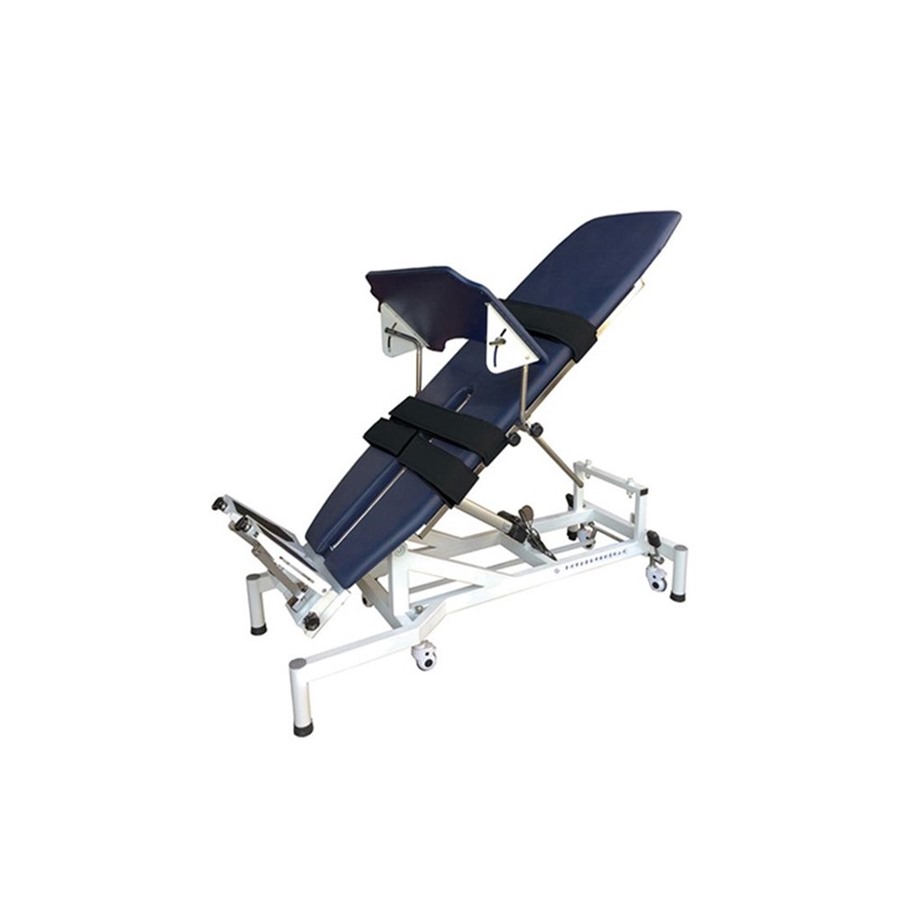
Common equipment groups
A clinic may compare a lower-limb exercise bike, a quadriceps training chair, gait-training equipment, standing equipment, and therapy tables. These products support different room workflows and should not be treated as interchangeable.
Use the lower-limb rehabilitation category to build the shortlist.
Compare user and room access
Confirm user transfer, seat or support adjustment, therapist access, clear floor area, doorway width, storage, cleaning, and delivery route. Ask whether accessories are standard or optional.
Prepare a model comparison
Record the exact model, dimensions, adjustment range, rated capacity where confirmed, power needs, packing, documents, and destination requirements. Any unconfirmed specification should remain marked for confirmation.
What to confirm before purchase
- Intended activity and user group
- Transfer, support, and adjustment requirements
- Room footprint and delivery route
- Accessories, power, packing, and documents
- Exact model and destination-market requirements
Frequently asked questions
How should a clinic begin the shortlist?
Start with the user group, therapy program, room workflow, and delivery constraints, then compare exact models and configurations.
Should similar equipment be treated as interchangeable?
No. Adjustment range, access, accessories, dimensions, and document status can differ between models and must be confirmed.
What should be confirmed before ordering?
Confirm the exact model, configuration, quantity, dimensions, packing, electrical requirements, documents, and destination-market requirements.
Definition
Lower-limb rehabilitation equipment covers different therapy tasks, such as positioning, supported standing, joint movement, strengthening, balance, and gait practice. A clinic shortlist should be built around the expected user groups and treatment workflow instead of treating every lower-limb device as interchangeable.
Numeric facts to include in the enquiry
- Identify 1 intended therapy workflow and the user group it is expected to serve.
- For each shortlisted type, request 1 exact model, 1 quantity, and the installed footprint.
- Confirm 3 fulfilment details: package count, gross weight, and delivery or installation scope.
Procurement steps
- Map the assessment, transfer, exercise, and supervision stages the room needs to support.
- Choose the essential equipment types for those stages before comparing optional features.
- Check room circulation, therapist access, user transfer needs, power supply where relevant, and storage.
- Compare suppliers using the same configuration and written service scope.
Buyer FAQ
Can one lower-limb machine replace an entire training area?
Usually not. Different devices support different tasks. The right mix depends on the clinic’s programme, expected users, therapist workflow, and available room.
Should a buyer select equipment by diagnosis alone?
No. Diagnosis is only one consideration. Functional ability, transfer needs, supervision, treatment goals, and room constraints all matter.